



 = 83 µA typ,
  = 1µA
= 1µA
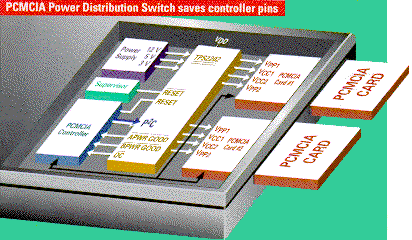
The TPS2202A is a fully-integrated dual slot PCMCIA power switch. Designed to meet the requirements of next-generation PCMCIA controllers, the TPS2202A features a 3-line serial control interface and hardware reset inputs for system initialization.
The TPS2202A is the first PCMCIA power switch to offer hardware resets, allowing PC Cards to be controlled during system initialization. Its 3-line serial interface frees controller chip pins needed for extra and grounds in higher-speed PCI bus systems.

The new release of the PC Card standard (rev 3.0) includes the
CardBus specification, allowing bus interface speeds to increase
from 20 MHz to 33 MHz. The TPS2202A's P²C interface uses
3 lines (DATA, CLOCK, and LATCH) to serially program the switch,
instead of using 8 lines for a parallel interface (4 for each
slot). The five spare lines can be used for additional required
for stability at higher speeds, grounds, or for new controller
functions. Thus full functionality can be achieved without costly
high pin count packages or extra board space.
The TPS2202A integrates low rDS(on) power switches and control logic to provide 12 V, 5 V, and 3.3 V to two PC Card slots. The switches are actively current limited with overcurrent reporting for system diagnostics. Thermal shutdown prevents damage to the chip and the host in the event of extended insertion of a short-circuited PC Card.
Texas Instruments was first with a fully-integrated current-limited dual-slot PCMCIA power switch, the TPS2201. The TPS2202 was the first PCMCIA power switch to offer a reduced-line serial interface for higher speed systems. Now the TPS2202A is another first, with hardware resets, demonstrating our continuing leadership role in providing next generation PCMCIA power switching solutions.
The TPS2202A is now offered in a space saving 30-pin SSOP "DBLE" subminiature (2 mm max height) package.
Vol 14, December, 1995
 Return to Showcase Home Page