|
Wireless Terms Digital Signal Processors Paging and Messaging Base Stations Handsets Digital Baseband Core architecture Worldwide standards ABB RF Power Management |
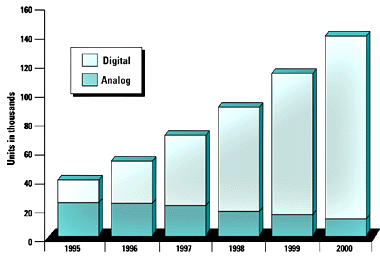
TI's standard-independent, single-chip digital baseband platform for wireless system designTexas Instruments single-chop Digital Baseband Platform, combines two high-performance core processors -- a digital signal processor tailored for digital wireless applications and a microcontroller designed specifically for low-power embedded systems. The customizable platform helps wireless digital telephone manufacturers lower component counts, save board space, reduce power consumption, introduce new features, save development costs and achieve faster time to market, at the same time giving them fexibility and performance to support any standard worldwide.IntroductionCommunications today is on the move. In cars, office buildings, manufacturing plants, shopping malls -- wherever people go, wireless telephones and other communications systems go with them. Driving this new mobility in communications is high-speed digital technology, and in the forefront of this technology is Texas Instruments, the industry leader in Digital Signal Processors (DSPs) and DSP Solutions. Digital technology opens up a world of new possibilities for mobile communications. With three to ten times the transmission capacity of older analog technology, digital allows more wireless subscribers to place telephone calls simultaneously. Digital technology also consumes less power than analog, extending talk and standby times between battery charges. And digital encryption enhances security for users and service providers alike. It is small wonder that digital wireless telephones are the fastest-growing segment of the wireless telephone industry. As Figure 1 shows, by the end of the decade more than 80 percent of the cellular and Personal Communications Systems telephones sold will be digital.
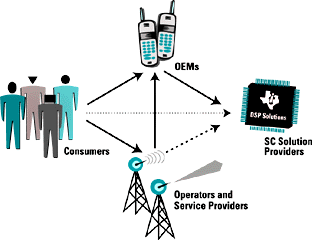
Market requirements for digital wireless telephonesFigure 2 shows that wireless telephones are strongly influenced in design by the needs of individual consumers, service providers and original equipment manufacturers (OEMs). Generally, users want small, lightweight instruments that cost little and allow them to talk for a long time between battery charges. Although callers accept some degradation in voice quality as a tradeoff for mobility, they still regard voice quality as crucial. In addition, callers frequently want extra features, such as greater privacy and the capability to transmit data.
Service providers respond to the requirements of their subscribers, and in addition they have requirements of their own. These include the need for high capacity and low usage costs to help them expand their services and maximize profits. Providers want compact base stations that do not require special cooling arrangements. Additional user features also serve as a new source of revenue for service providers. Finally, all equipment and services must be fully compliant with standards, and secure to prevent fraud. |